a solenoid
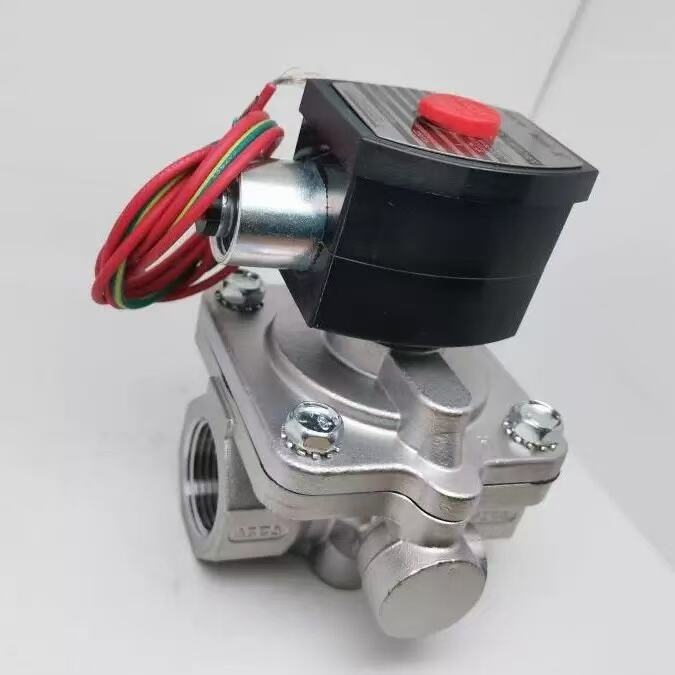
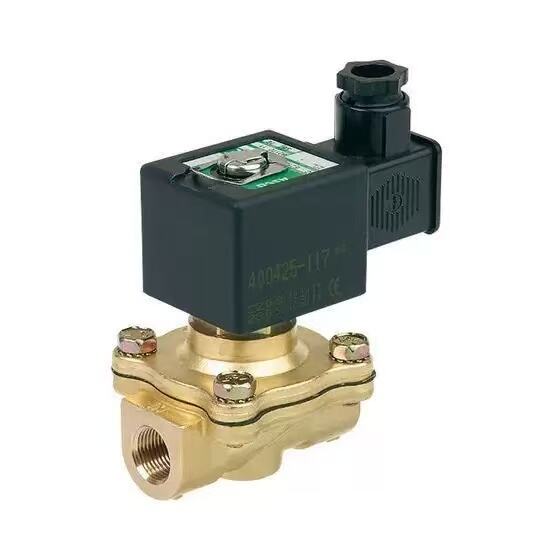
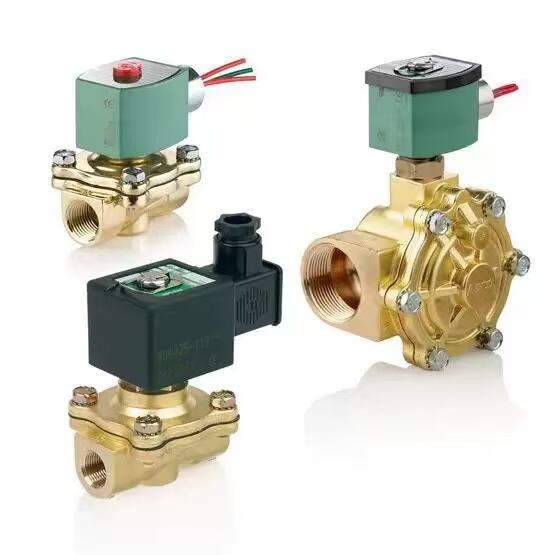
A solenoid is an electromagnetic device that converts electrical energy into linear mechanical motion, consisting of a coil of wire wound around a movable ferromagnetic core or plunger. When electric current flows through the coil, it generates a magnetic field that pulls or pushes the plunger, creating precise linear movement. This fundamental electromechanical component serves as the backbone of countless automated systems across industries worldwide. The primary functions of a solenoid include controlling fluid flow in valve systems, actuating mechanical locks and latches, engaging starter motors in vehicles, and switching electrical circuits. Technologically, a solenoid features a copper wire coil wrapped around a cylindrical frame, with a spring-loaded iron plunger positioned to move along the central axis. The magnetic force generated is proportional to the number of wire turns, current strength, and core material properties. Modern solenoids incorporate advanced materials such as high-permeability steel cores and temperature-resistant insulation to enhance performance and durability. Applications span automotive systems, industrial automation, medical equipment, HVAC controls, vending machines, and consumer appliances. In automotive applications, a solenoid operates starter mechanisms and transmission shifting. Industrial settings utilize solenoids for pneumatic and hydraulic valve control, while household appliances employ them in washing machines, dishwashers, and irrigation systems. The versatility and reliability of a solenoid make it indispensable in applications requiring rapid, repeatable, and controllable mechanical motion activated by electrical signals.


 EN
EN