hose and couplings
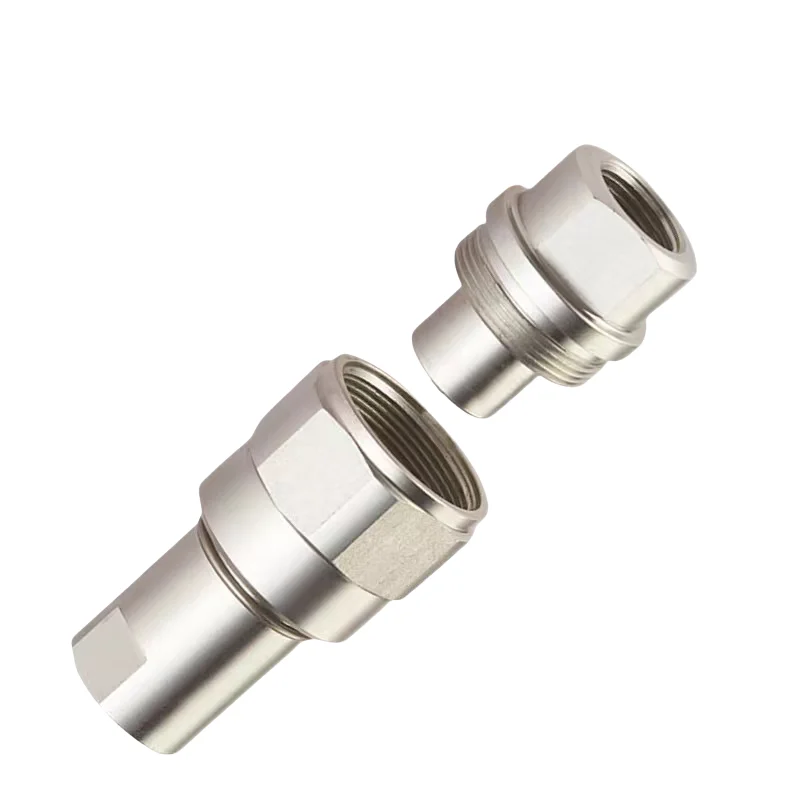
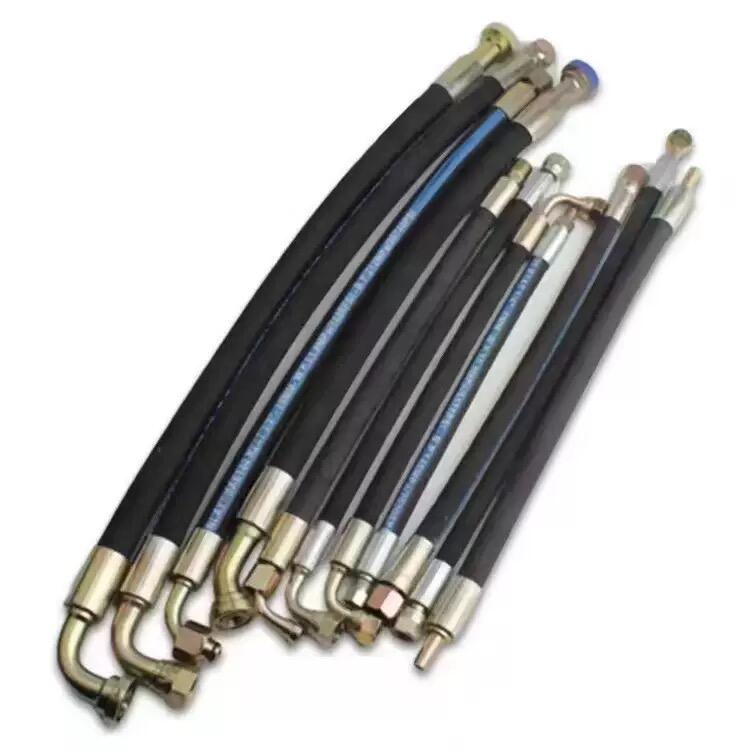
Hose and couplings are essential components in fluid transfer systems, designed to transport liquids, gases, and sometimes solid materials across various industrial, commercial, and residential applications. These systems consist of flexible or semi-rigid hoses paired with mechanical couplings that ensure secure, leak-proof connections between different equipment and pipeline segments. The primary function of hose and couplings is to provide a reliable pathway for fluid conveyance while accommodating movement, vibration, and thermal expansion that rigid piping cannot handle. Technologically, modern hose and couplings incorporate advanced materials such as reinforced rubber, thermoplastic elastomers, stainless steel, and composite fabrics that resist chemical corrosion, abrasion, and extreme temperatures. Couplings employ various connection mechanisms including camlock, quick-disconnect, threaded, flanged, and push-to-connect designs, each optimized for specific pressure ratings, flow requirements, and ease of installation. The applications for hose and couplings span numerous industries: manufacturing facilities use them for hydraulic power transmission and pneumatic controls, agriculture relies on them for irrigation and pesticide application, construction sites deploy them for concrete pumping and dewatering operations, and the petroleum industry depends on them for fuel transfer and chemical processing. Fire protection systems, food and beverage production, pharmaceutical manufacturing, and marine operations all utilize specialized hose and couplings engineered to meet stringent safety standards and regulatory compliance requirements, making these components indispensable across virtually every sector of the modern economy.



 EN
EN