pneumatic cylinder price
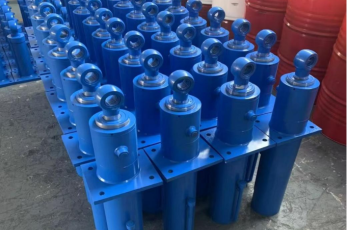
Understanding pneumatic cylinder price is essential for businesses seeking efficient automation solutions. Pneumatic cylinders are mechanical devices that convert compressed air energy into linear or rotary motion, serving as fundamental components in modern manufacturing and industrial operations. The pneumatic cylinder price varies based on several factors including bore size, stroke length, operating pressure, construction materials, and manufacturer specifications. These devices typically range from compact 10mm bore cylinders for delicate tasks to heavy-duty 320mm bore units for demanding industrial applications. The price structure reflects technological features such as cushioning mechanisms, magnetic piston detection, corrosion-resistant coatings, and mounting configurations. Standard pneumatic cylinders operate at pressures between 0.1 to 1.0 MPa, delivering reliable force output for diverse applications. When evaluating pneumatic cylinder price, buyers should consider durability, maintenance requirements, and compatibility with existing systems. Applications span automotive assembly lines, packaging machinery, material handling systems, robotics, food processing equipment, and pharmaceutical manufacturing. The pneumatic cylinder price also depends on certification requirements, with food-grade and cleanroom-certified models commanding premium costs. Understanding these pricing variables helps procurement teams make informed decisions that balance initial investment against long-term operational efficiency. Quality pneumatic cylinders from reputable manufacturers typically offer superior sealing technology, extended service life, and consistent performance, justifying their position in the price spectrum while delivering measurable return on investment through reduced downtime and maintenance costs.



 EN
EN