Solenoid Valve Components Guide & Benefits

+86-13813381994
All Categories

solenoid valve components

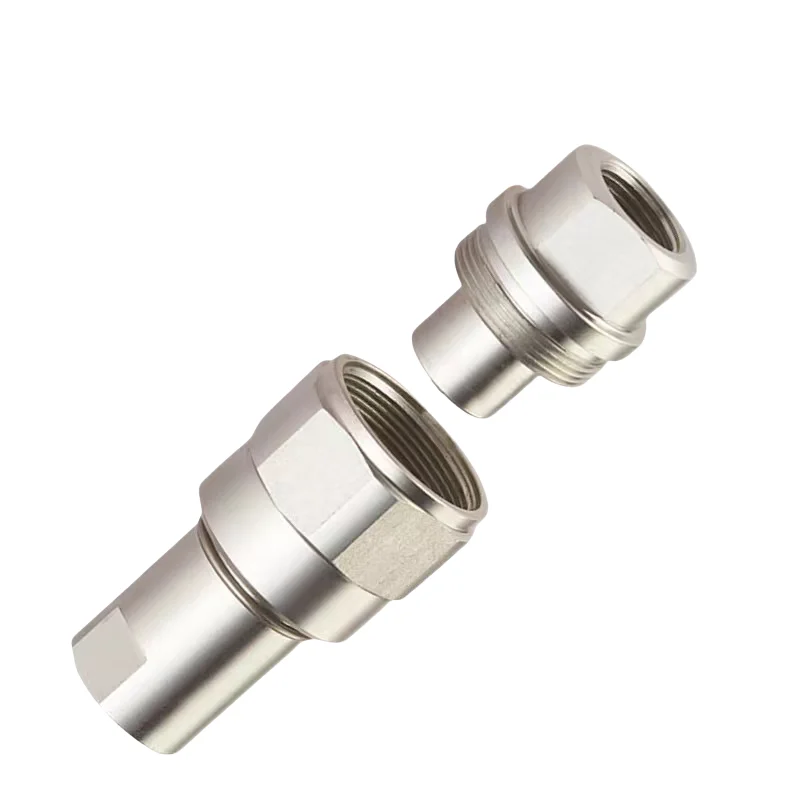
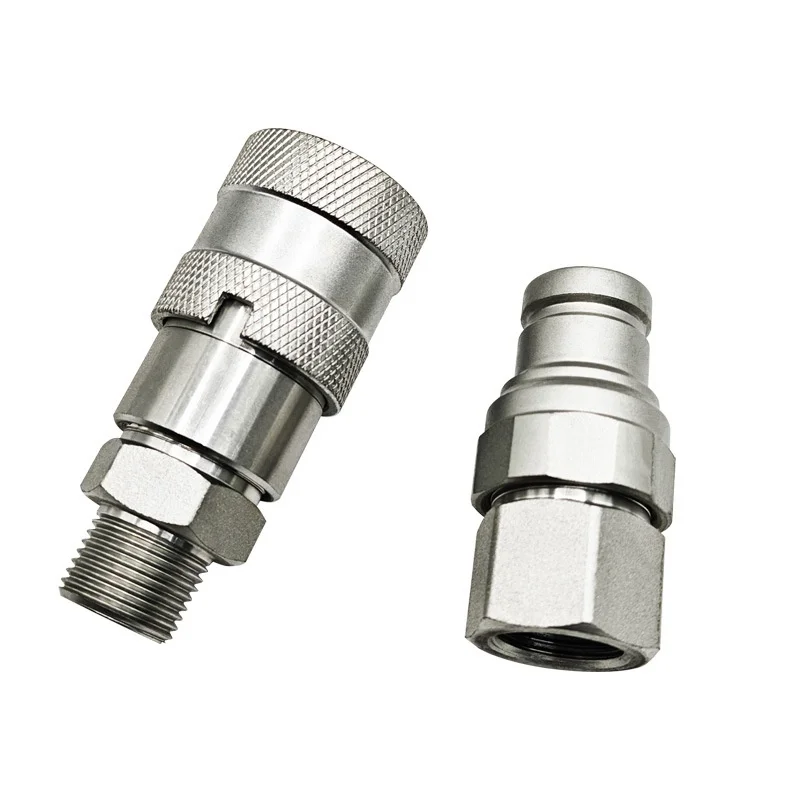
Solenoid valve components are essential parts that work together to control the flow of liquids and gases in automated systems. These components include the solenoid coil, plunger, valve body, spring, seal, and orifice, each playing a critical role in the valve's operation. The solenoid coil generates an electromagnetic field when electrical current passes through it, which moves the plunger to open or close the valve passage. The valve body houses all internal parts and provides connection points for piping systems. Solenoid valve components are designed for precise flow control, offering reliable performance in diverse industrial applications. The technological features of these components include fast response times, typically operating within milliseconds, and compatibility with various media types including water, air, steam, oil, and chemicals. Modern solenoid valve components incorporate advanced materials such as stainless steel, brass, and specialized polymers to ensure durability and chemical resistance. These components find applications across multiple industries including manufacturing, water treatment, HVAC systems, automotive production, food processing, and medical equipment. The modular design of solenoid valve components allows for easy maintenance and replacement, reducing downtime in critical operations. Understanding the function and quality of each component helps users select the right valve configuration for their specific requirements, ensuring optimal system performance and longevity in demanding operational environments.

New Products

Investing in quality solenoid valve components delivers significant practical benefits that directly impact your operational efficiency and cost management. These components offer exceptional reliability, ensuring your automation systems run smoothly with minimal interruptions. The fast actuation speed means your processes respond instantly to control signals, improving production timing and precision. You will appreciate the energy efficiency of modern solenoid valve components, as they consume power only during switching, reducing your electricity costs over time. The compact design of these components saves valuable installation space, particularly important in crowded machinery environments. Maintenance becomes straightforward because solenoid valve components are designed for easy inspection and replacement, meaning your team can perform repairs quickly without specialized training. The versatility of these components allows you to use them across different applications, from controlling water flow in irrigation systems to managing hydraulic fluids in manufacturing equipment. You gain better process control because solenoid valve components provide consistent, repeatable performance cycle after cycle. The long service life of quality components means fewer replacements and lower total ownership costs. Chemical and temperature resistance ensures these components perform reliably even in harsh environments, protecting your investment. The simple electrical control interface means easy integration with PLCs, sensors, and automation controllers you already use. Choosing the right solenoid valve components means selecting parts that match your pressure ratings, flow requirements, and media compatibility, ensuring optimal performance. The availability of various voltage options and connection types provides flexibility during system design and upgrades. These practical advantages translate into improved productivity, reduced maintenance expenses, and greater confidence in your automated control systems.

Latest News

Nanjing Xiangkerui International Trading Co., Ltd. Deeply Engages in the 38th China International Hardware Fair in Shanghai, Exploring New Opportunities in Global Hardware Trade

21

Apr

Nanjing Xiangkerui International Trading Co., Ltd. Deeply Engages in the 38th China International Hardware Fair in Shanghai, Exploring New Opportunities in Global Hardware Trade

View More
Hydraulic Power Unit: The Powerhouse of the Industrial World

25

Apr

Hydraulic Power Unit: The Powerhouse of the Industrial World

View More
Nanjing Xiangkerui International Trading Co., Ltd. Launches One-Stop Procurement Service for Hydraulic & Pneumatic Products, Empowering Global Clients to Cut Costs and Boost Efficiency

25

Apr

Nanjing Xiangkerui International Trading Co., Ltd. Launches One-Stop Procurement Service for Hydraulic & Pneumatic Products, Empowering Global Clients to Cut Costs and Boost Efficiency

View More
International Clients Visit Nanjing Xiangkerui International Trade Co., Ltd., Charting a New Chapter in Long-Term Pneumatic and Hydraulic Product Collaboration

25

Apr

International Clients Visit Nanjing Xiangkerui International Trade Co., Ltd., Charting a New Chapter in Long-Term Pneumatic and Hydraulic Product Collaboration

View More

Get a Free Quote

Our representative will contact you soon.
Email
Name
Company Name
Mobile/WhatsApp
Message
0/1000

solenoid valve components

Electromagnetic Actuation Technology

Electromagnetic Actuation Technology

The electromagnetic actuation system represents the core technology behind solenoid valve components, delivering precise and reliable flow control. When electrical current energizes the solenoid coil, it creates a magnetic field that moves the plunger against spring pressure, opening the valve passage. This electromagnetic principle provides distinct advantages over manual or pneumatic actuation methods. The response time is exceptionally quick, with most solenoid valve components actuating in 10 to 50 milliseconds, enabling rapid process adjustments. The technology requires no external air compressors or hydraulic systems, simplifying your installation and reducing infrastructure costs. The electrical control interface integrates seamlessly with modern automation equipment, allowing precise timing and sequencing in complex processes. Solenoid valve components using this technology offer bi-stable or spring-return configurations, giving you flexibility in fail-safe positioning. The electromagnetic design ensures consistent force application regardless of pressure differentials, maintaining reliable operation across varying system conditions. This technology has proven its reliability across millions of industrial installations, demonstrating durability and performance consistency that manufacturers depend on for critical applications.
Modular Component Design

Modular Component Design

The modular architecture of solenoid valve components provides exceptional flexibility and maintenance advantages for industrial users. Each component serves a specific function and can be individually inspected, serviced, or replaced without replacing the entire valve assembly. This design philosophy reduces spare parts inventory costs because you stock only the components most likely to require replacement, such as seals and coils. The standardized interfaces between solenoid valve components allow mixing and matching parts to create custom valve configurations suited to your exact requirements. When a seal wears or a coil fails, technicians can quickly swap the affected component, minimizing production downtime and avoiding expensive emergency service calls. The modular approach also facilitates upgrades, letting you improve performance by installing enhanced components without redesigning your entire fluid control system. Manufacturers design these components with clear assembly sequences and minimal fasteners, making field service straightforward even in difficult access locations. This modularity extends the overall service life of your valve installations because you continuously refresh individual components rather than discarding functional parts. The economic benefits become particularly evident in high-volume installations where standardized solenoid valve components across multiple valves simplify training, maintenance procedures, and inventory management throughout your facility.
Material Selection and Durability

Material Selection and Durability

Material selection in solenoid valve components directly determines performance longevity and application suitability across demanding industrial environments. Manufacturers engineer these components from specialized materials chosen for specific operating conditions, media compatibility, and environmental factors. Valve bodies typically use brass for general applications, stainless steel for corrosive environments, and engineered plastics for chemical resistance and weight reduction. The plunger and internal parts often feature stainless steel or specialized alloys that resist wear and corrosion while maintaining magnetic properties essential for electromagnetic operation. Seal materials include NBR for petroleum products, EPDM for water and steam, Viton for high-temperature applications, and PTFE for aggressive chemicals. This careful material engineering ensures solenoid valve components maintain reliable sealing and smooth operation despite repeated cycling and exposure to challenging media. Temperature ratings extend from cryogenic applications to high-heat processes, with components engineered to maintain dimensional stability and sealing integrity throughout their operating range. The investment in quality materials translates directly into reduced failure rates, fewer emergency repairs, and extended maintenance intervals. Understanding material capabilities helps you select solenoid valve components matched to your actual operating conditions, avoiding premature failure from material incompatibility while preventing over-specification that increases unnecessary costs.

Get a Free Quote

Our representative will contact you soon.
Email
Name
Company Name
Mobile/WhatsApp
Message
0/1000