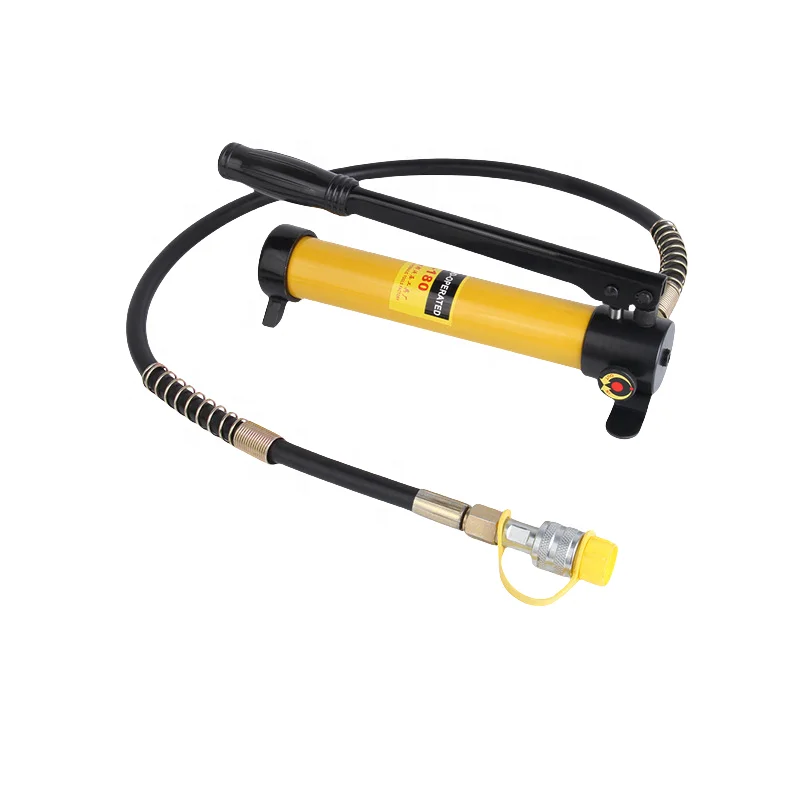
air pistons
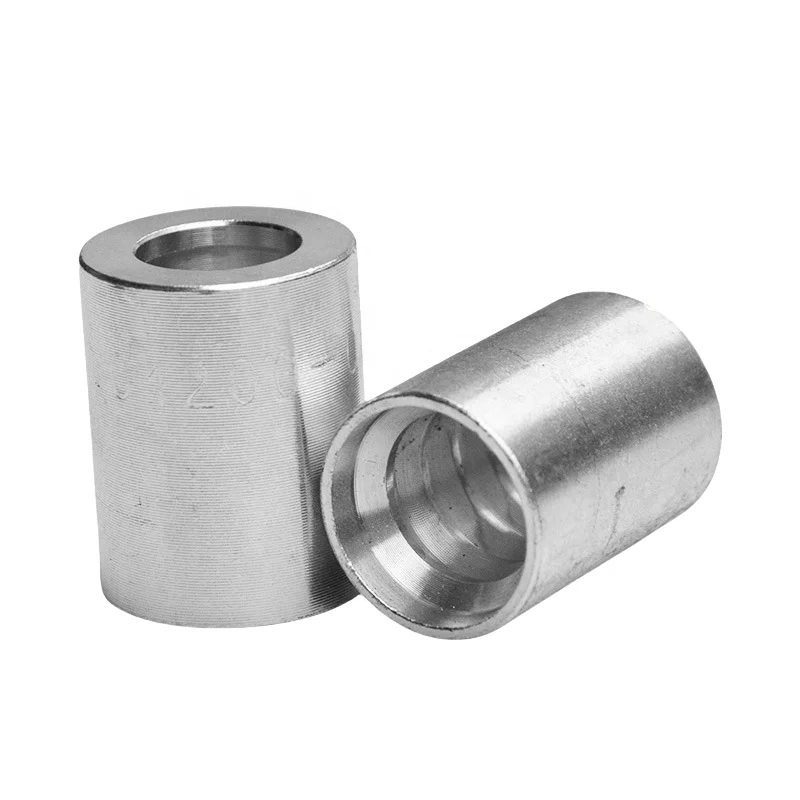
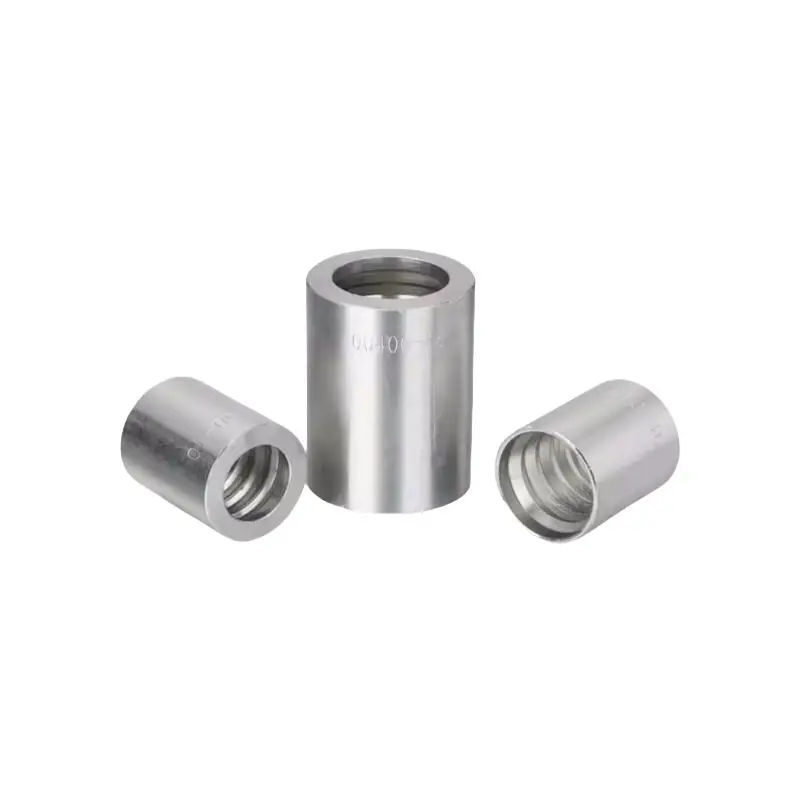
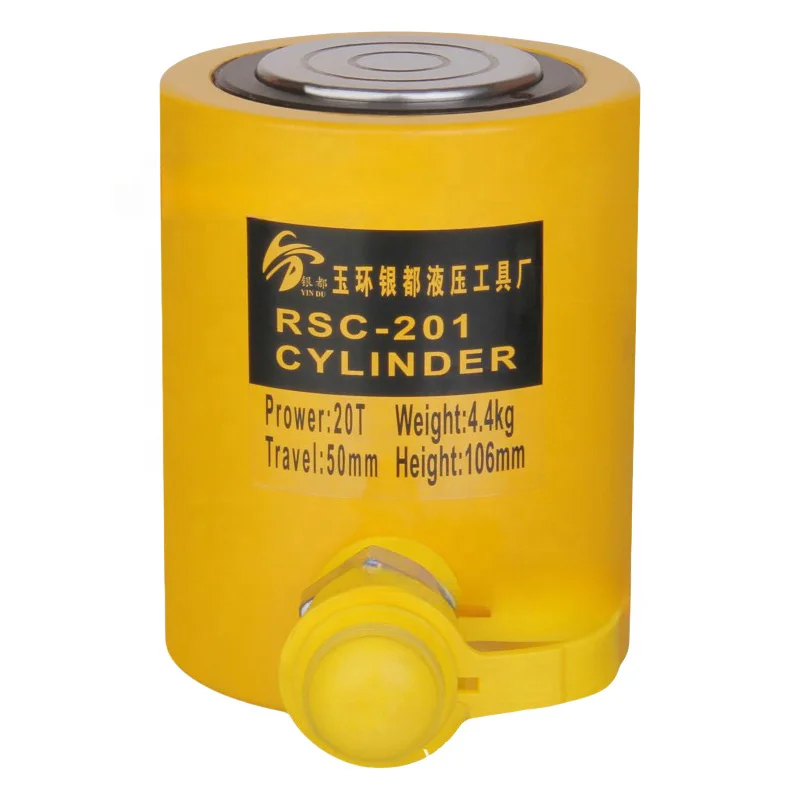
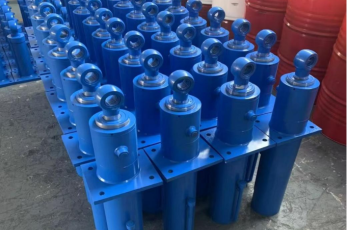
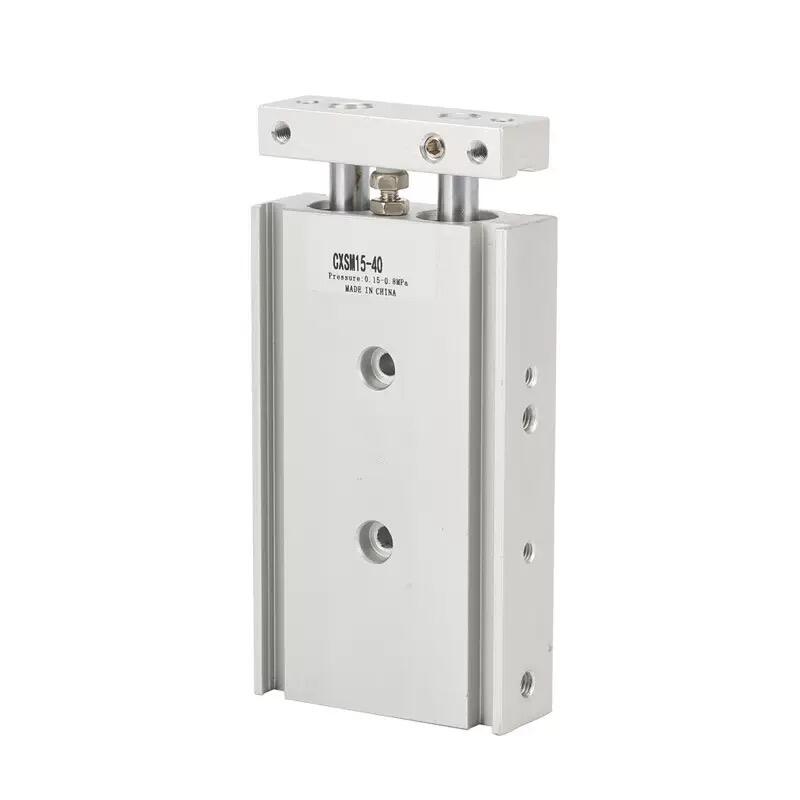
Air pistons are essential pneumatic components that convert compressed air energy into linear mechanical motion, serving as the driving force in countless industrial and commercial applications. These devices consist of a cylinder barrel, piston, piston rod, and end caps, working together to create controlled, powerful movement when pressurized air enters the chamber. Air pistons operate on a simple yet effective principle: compressed air pushes against the piston surface, generating force that moves the piston rod in a linear direction. The main functions of air pistons include pushing, pulling, lifting, lowering, clamping, and positioning objects with precision and repeatability. Technological features of modern air pistons encompass adjustable stroke lengths, built-in cushioning systems to reduce impact, magnetic piston designs for sensor integration, and corrosion-resistant materials for harsh environments. These components are available in various bore sizes, stroke lengths, and mounting configurations to suit diverse operational requirements. Air pistons find widespread applications across manufacturing automation, packaging machinery, material handling systems, automotive assembly lines, food processing equipment, pharmaceutical production, and robotics. Their versatility extends to woodworking machinery, textile manufacturing, printing presses, and countless other industrial processes where reliable linear actuation is required. The simplicity of air pistons combined with their robust construction makes them indispensable in both high-speed production environments and applications demanding precise control and consistent performance over extended operational periods.



 EN
EN