pneumatic piston
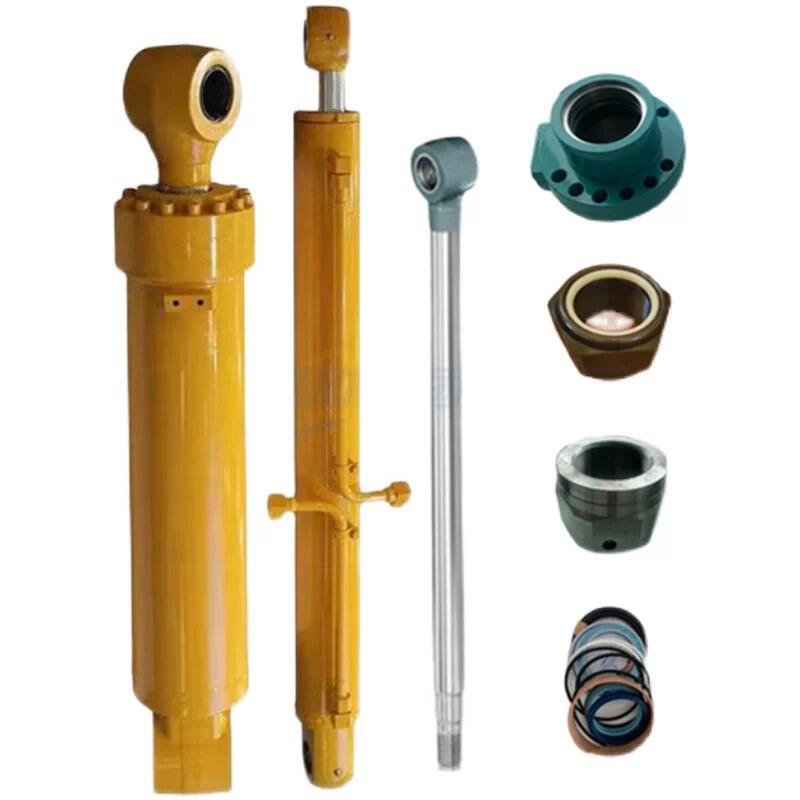
A pneumatic piston is a crucial mechanical component that converts compressed air energy into linear motion, serving as the heart of pneumatic actuators across countless industrial applications. This device operates by harnessing air pressure within a cylindrical chamber, where the pneumatic piston moves back and forth to generate force and motion. The fundamental design includes a piston head, sealing rings, a piston rod, and a cylinder body that work together to deliver precise, controlled movement. Modern pneumatic piston systems feature advanced sealing technologies that minimize air leakage while maximizing efficiency and service life. The technological innovation behind the pneumatic piston lies in its ability to deliver clean, reliable power without requiring complex electrical systems or hydraulic fluids. These components find extensive use in manufacturing automation, packaging machinery, material handling equipment, and assembly line operations. The pneumatic piston excels in environments requiring rapid cycling, variable speed control, and adjustable force output. Industries ranging from food processing to automotive manufacturing depend on pneumatic piston technology for tasks including pushing, pulling, lifting, clamping, and positioning workpieces. The versatility of the pneumatic piston makes it suitable for both light-duty applications requiring delicate touch and heavy-duty operations demanding substantial force. With pressure ratings typically ranging from 1 to 10 bar, these devices can generate forces from a few newtons to several thousand newtons, adapting to diverse operational requirements across multiple sectors.


 EN
EN