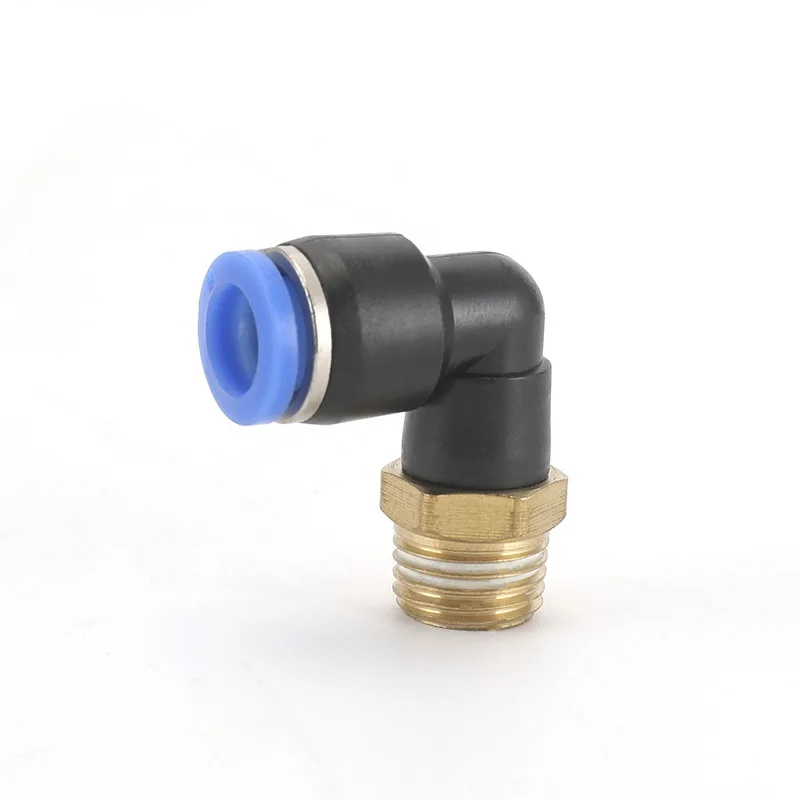
parts of a pneumatic system
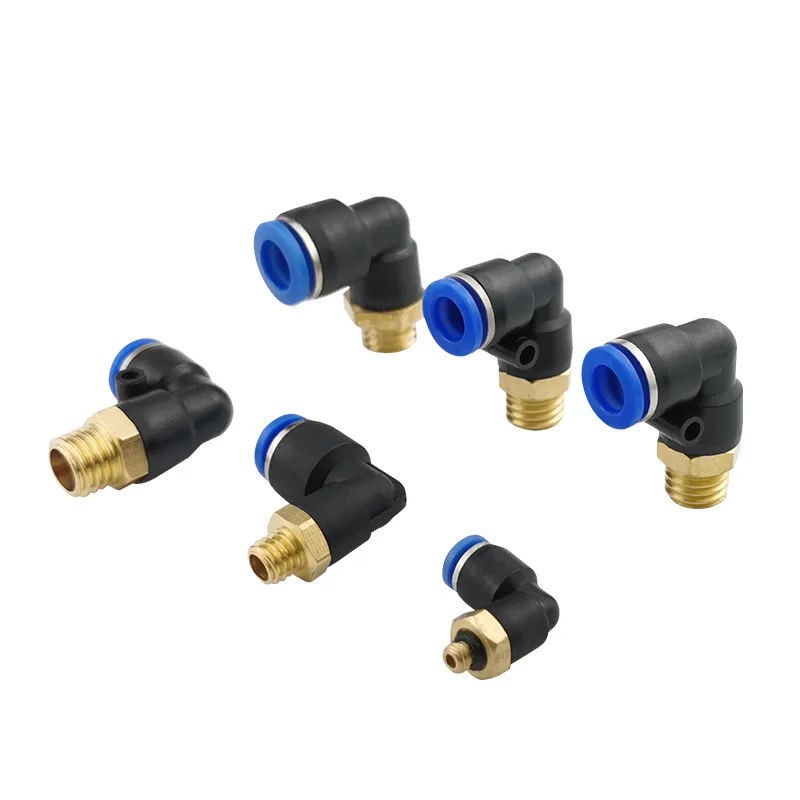
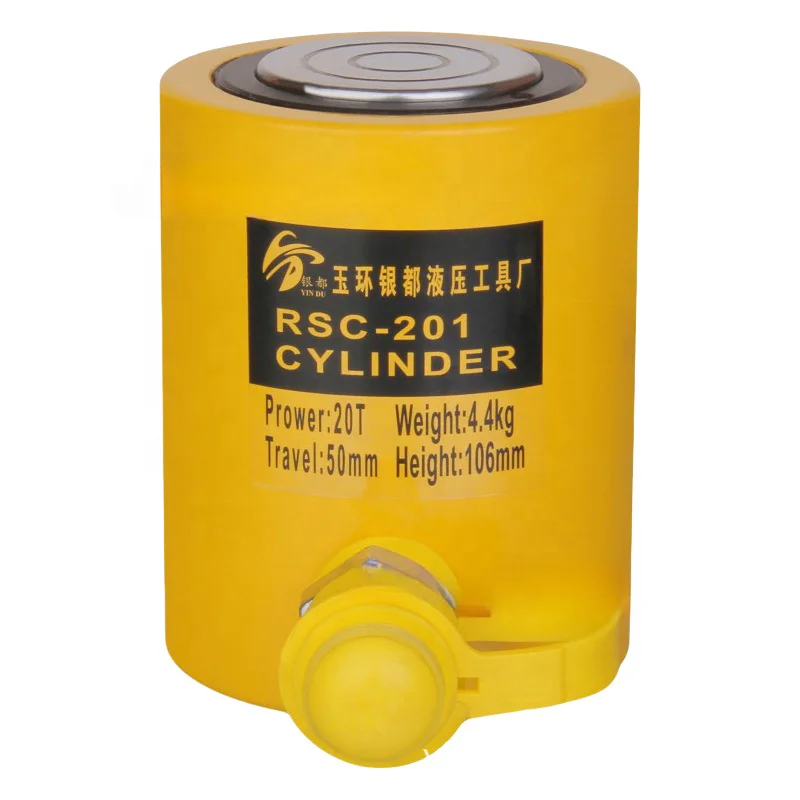
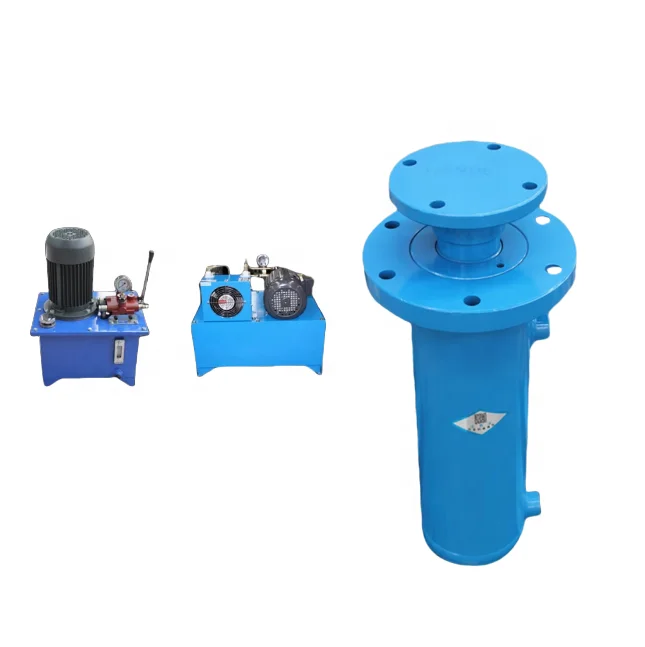
Understanding the parts of a pneumatic system is essential for anyone working with compressed air technology. A pneumatic system converts compressed air into mechanical motion to power various industrial and commercial applications. The primary parts of a pneumatic system include the air compressor, which generates compressed air by drawing in atmospheric air and pressurizing it to the required level. The air treatment unit, consisting of filters, regulators, and lubricators, ensures the compressed air is clean, controlled, and properly conditioned. Directional control valves manage the flow and direction of compressed air to actuators, while pneumatic cylinders and motors serve as actuators that convert air pressure into linear or rotary motion. Air tanks store compressed air for consistent supply, and tubing or hoses transport the air throughout the system. Pressure switches and sensors monitor system parameters for safe operation. The parts of a pneumatic system work together seamlessly to deliver reliable power transmission. Modern pneumatic systems feature advanced components with quick-connect fittings, modular designs, and digital monitoring capabilities. These systems excel in applications requiring clean power sources, explosion-proof environments, and precise control. From automotive assembly lines to food processing facilities, the parts of a pneumatic system provide versatile solutions across manufacturing, packaging, material handling, and automation industries. The technological features include adjustable pressure settings, variable speed control, and integrated safety mechanisms that prevent over-pressurization and ensure operator protection throughout operation.


 EN
EN