Pneumatic Components - Reliable Automation Solutions

+86-13813381994
All Categories

pneumatic components

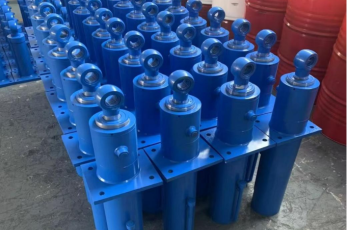
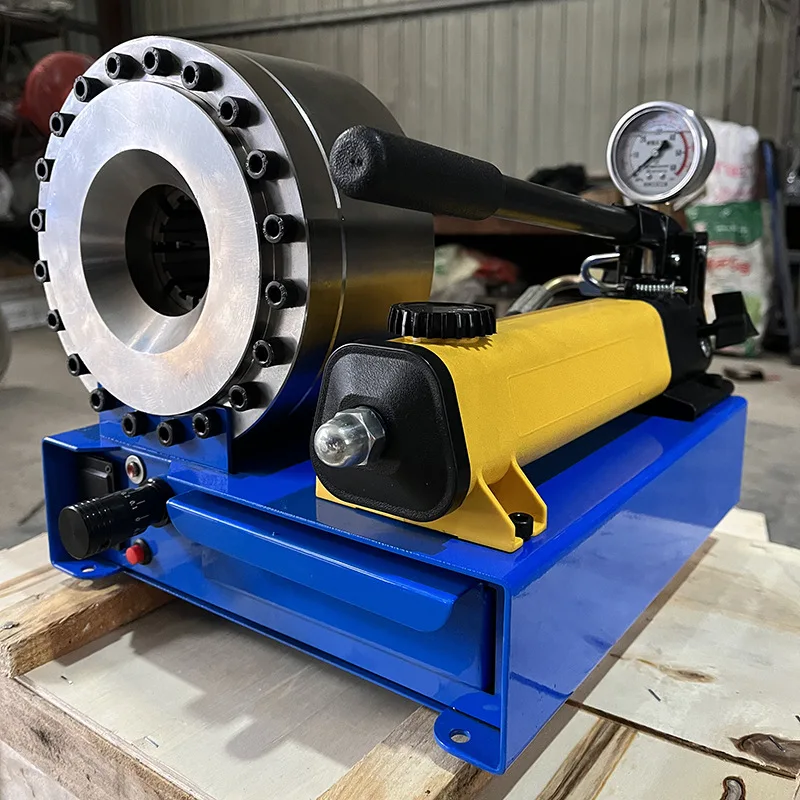
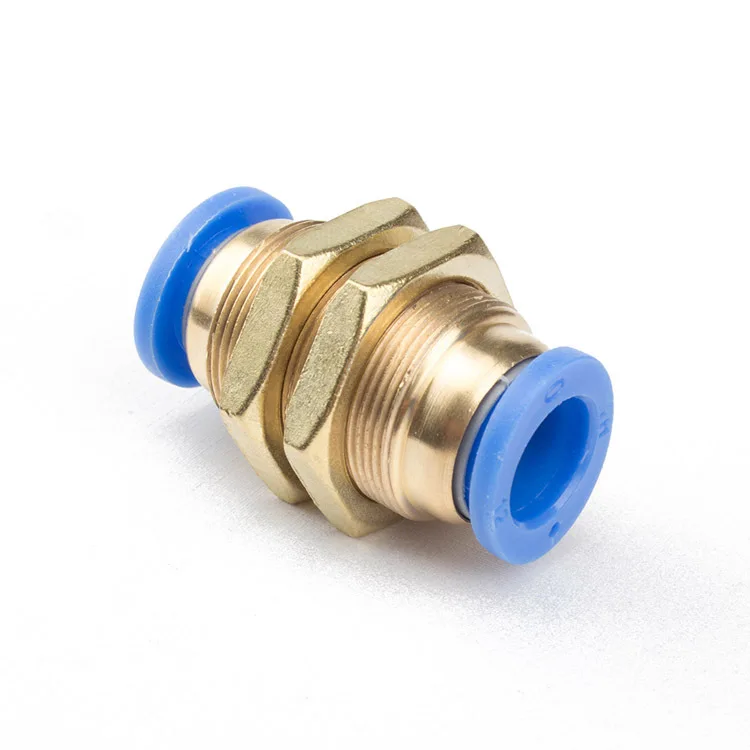
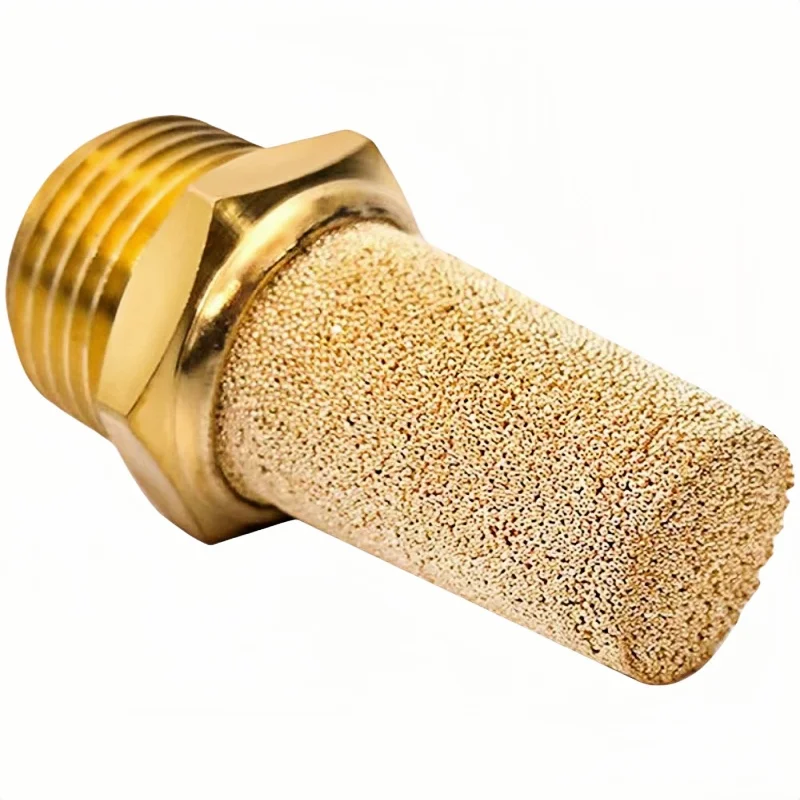
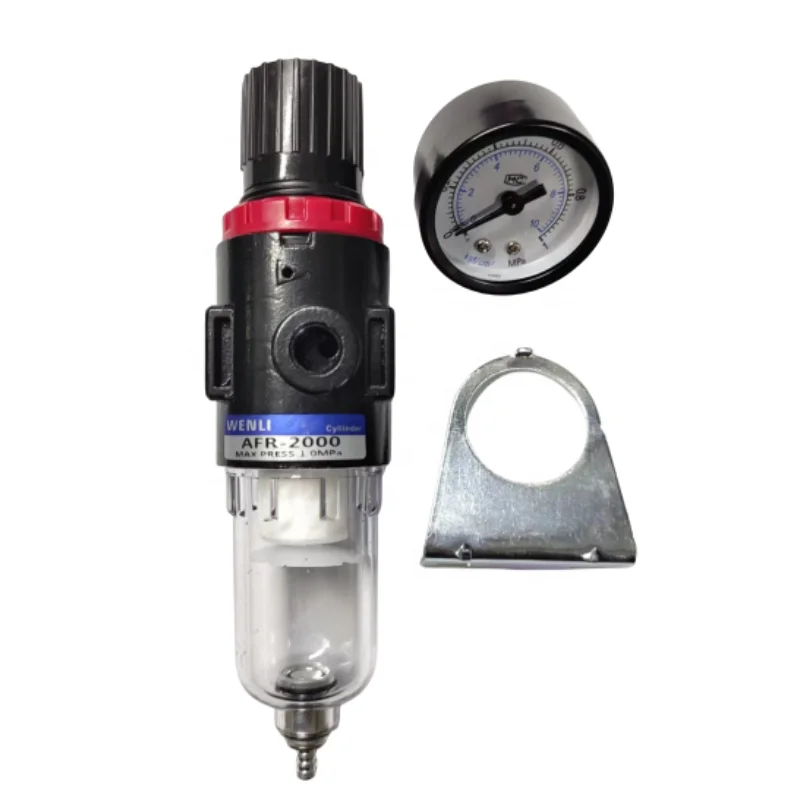
Pneumatic components are essential elements in automation systems that use compressed air to generate mechanical motion and control industrial processes. These devices convert air pressure into linear or rotary movement, enabling precise control of machinery across manufacturing, packaging, automotive, and material handling industries. The primary functions of pneumatic components include actuating cylinders, controlling airflow through valves, regulating pressure, filtering contaminants, and distributing compressed air throughout systems. Modern pneumatic components feature advanced sealing technologies that minimize air leakage, precision-machined surfaces for smooth operation, and corrosion-resistant materials that extend service life. Key technological features include modular designs for easy integration, quick-connect fittings that reduce installation time, and adjustable pressure settings that accommodate varying application requirements. Pneumatic components deliver reliable performance in harsh environments where electrical systems may face safety concerns. These systems operate effectively in explosive atmospheres, high-temperature conditions, and moisture-laden environments. Applications span automated assembly lines where pneumatic components drive pick-and-place operations, food processing facilities requiring sanitary designs, pharmaceutical manufacturing demanding contamination-free operation, and automotive production lines utilizing robotic pneumatic grippers. The versatility of pneumatic components makes them indispensable for tasks requiring rapid cycling, variable force control, and fail-safe operation. Energy efficiency improvements in modern pneumatic components reduce compressed air consumption while maintaining performance standards, making them cost-effective solutions for industrial automation.

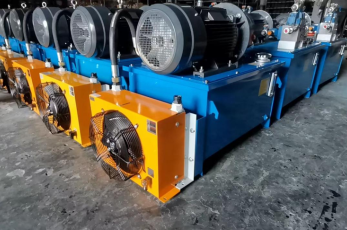
New Product Releases

Investing in quality pneumatic components delivers substantial operational benefits that directly impact your bottom line. These systems offer exceptional reliability with fewer moving parts compared to hydraulic or electric alternatives, translating to reduced maintenance costs and extended equipment uptime. The simplicity of pneumatic components means your maintenance team requires less specialized training, lowering labor expenses while ensuring quick repairs when needed. Compressed air systems provide inherent overload protection since pneumatic components simply stall under excessive load rather than suffering catastrophic failure, protecting both equipment and operators. The clean operation of pneumatic components makes them ideal for food processing, medical device manufacturing, and pharmaceutical applications where contamination risks must be minimized. Unlike hydraulic systems that may leak oil, pneumatic components use air as the working medium, eliminating environmental hazards and cleanup costs. The fast response times of pneumatic components enable high-speed production cycles, increasing throughput and productivity in packaging, sorting, and assembly operations. Installation flexibility represents another practical advantage, as pneumatic components accommodate layout changes easily through lightweight aluminum construction and flexible tubing connections. Operating costs remain predictable since pneumatic components consume air only during actuation cycles, unlike electric systems drawing continuous power. Temperature tolerance allows pneumatic components to function reliably from freezing conditions to elevated temperatures without performance degradation. The force-to-weight ratio of pneumatic components surpasses many alternatives, delivering powerful actuation in compact footprints that maximize workspace efficiency. Safety benefits include spark-free operation suitable for explosive environments and simple emergency shutdown through air supply isolation. These combined advantages make pneumatic components the practical choice for businesses prioritizing reliability, safety, and operational efficiency.

Latest News

Nanjing Xiangkerui International Trading Co., Ltd. Deeply Engages in the 38th China International Hardware Fair in Shanghai, Exploring New Opportunities in Global Hardware Trade

21

Apr

Nanjing Xiangkerui International Trading Co., Ltd. Deeply Engages in the 38th China International Hardware Fair in Shanghai, Exploring New Opportunities in Global Hardware Trade

View More
Hydraulic Power Unit: The Powerhouse of the Industrial World

25

Apr

Hydraulic Power Unit: The Powerhouse of the Industrial World

View More
Nanjing Xiangkerui International Trading Co., Ltd. Launches One-Stop Procurement Service for Hydraulic & Pneumatic Products, Empowering Global Clients to Cut Costs and Boost Efficiency

25

Apr

Nanjing Xiangkerui International Trading Co., Ltd. Launches One-Stop Procurement Service for Hydraulic & Pneumatic Products, Empowering Global Clients to Cut Costs and Boost Efficiency

View More
International Clients Visit Nanjing Xiangkerui International Trade Co., Ltd., Charting a New Chapter in Long-Term Pneumatic and Hydraulic Product Collaboration

25

Apr

International Clients Visit Nanjing Xiangkerui International Trade Co., Ltd., Charting a New Chapter in Long-Term Pneumatic and Hydraulic Product Collaboration

View More

Get a Free Quote

Our representative will contact you soon.
Email
Name
Company Name
Mobile/WhatsApp
Message
0/1000

pneumatic components

Superior Durability and Long Service Life

Superior Durability and Long Service Life

The robust construction of pneumatic components ensures exceptional durability that withstands demanding industrial environments for years of trouble-free operation. Manufacturers engineer these devices using premium materials including anodized aluminum housings that resist corrosion, hardened steel piston rods that prevent scoring, and high-performance polymeric seals that maintain integrity through millions of cycles. The simple mechanical design of pneumatic components eliminates complex electronics and sensitive components prone to failure, resulting in mean time between failures that significantly exceeds alternative technologies. Quality pneumatic components feature replaceable wear parts, allowing cost-effective refurbishment rather than complete unit replacement when seals eventually require renewal. The dry air environment inside properly maintained pneumatic components prevents internal corrosion and contamination buildup that plague hydraulic systems. Precision manufacturing tolerances ensure smooth piston movement with minimal friction, reducing wear rates and extending operational life. This durability advantage translates to lower total cost of ownership, reduced inventory requirements for spare parts, and minimized production disruptions from equipment failures. Industries operating continuous processes particularly benefit from the reliability that pneumatic components deliver, maintaining production schedules while controlling maintenance budgets effectively.
Rapid Response and Precise Control Capabilities

Rapid Response and Precise Control Capabilities

Modern pneumatic components deliver exceptional speed and accuracy that meet the demanding requirements of high-performance automation systems. The compressibility of air enables cushioning effects that protect equipment during rapid acceleration and deceleration cycles, preventing shock loads that damage mechanical linkages. Advanced valve technologies in pneumatic components provide millisecond response times, enabling precise positioning and synchronization across multiple actuators in complex automated sequences. Flow control valves integrated into pneumatic components allow operators to fine-tune movement speeds independently for extending and retracting strokes, optimizing cycle times while ensuring gentle handling of delicate products. Pressure regulators maintain consistent force output regardless of supply pressure fluctuations, delivering repeatable performance that ensures product quality in assembly and testing operations. The adjustability of pneumatic components accommodates varying application requirements without hardware changes, simply through pressure and flow adjustments accessible to operators. Position sensors integrate seamlessly with pneumatic components, providing real-time feedback for closed-loop control systems that achieve positioning accuracy within fractions of millimeters. This combination of speed, controllability, and precision makes pneumatic components the preferred choice for applications demanding rapid cycling with consistent accuracy, from pick-and-place robots to high-speed packaging equipment.
Cost-Effective Implementation and Maintenance

Cost-Effective Implementation and Maintenance

Pneumatic components represent an economically attractive solution that delivers performance without the high costs associated with alternative actuation technologies. Initial investment costs for pneumatic components remain substantially lower than comparable electric actuators or hydraulic systems, making automation accessible for businesses with limited capital budgets. The widespread availability of compressed air in most industrial facilities eliminates the need for dedicated power supplies or hydraulic power units, reducing infrastructure expenses during system installation. Standardized connection interfaces and mounting dimensions across pneumatic components from different manufacturers provide sourcing flexibility and competitive pricing advantages. Simple troubleshooting procedures enable maintenance personnel to diagnose and resolve issues quickly without specialized diagnostic equipment, minimizing downtime and reducing service costs. Common replacement parts for pneumatic components stock inexpensively and remain available from multiple suppliers, preventing lengthy equipment outages while waiting for proprietary components. The modular nature of pneumatic components allows selective upgrades or capacity expansions without complete system replacements, protecting initial investments while accommodating changing production requirements. Energy costs remain manageable since pneumatic components consume compressed air only during active cycles rather than drawing continuous power, and modern efficiency improvements further reduce operating expenses through optimized air consumption and leak prevention technologies.

Get a Free Quote

Our representative will contact you soon.
Email
Name
Company Name
Mobile/WhatsApp
Message
0/1000