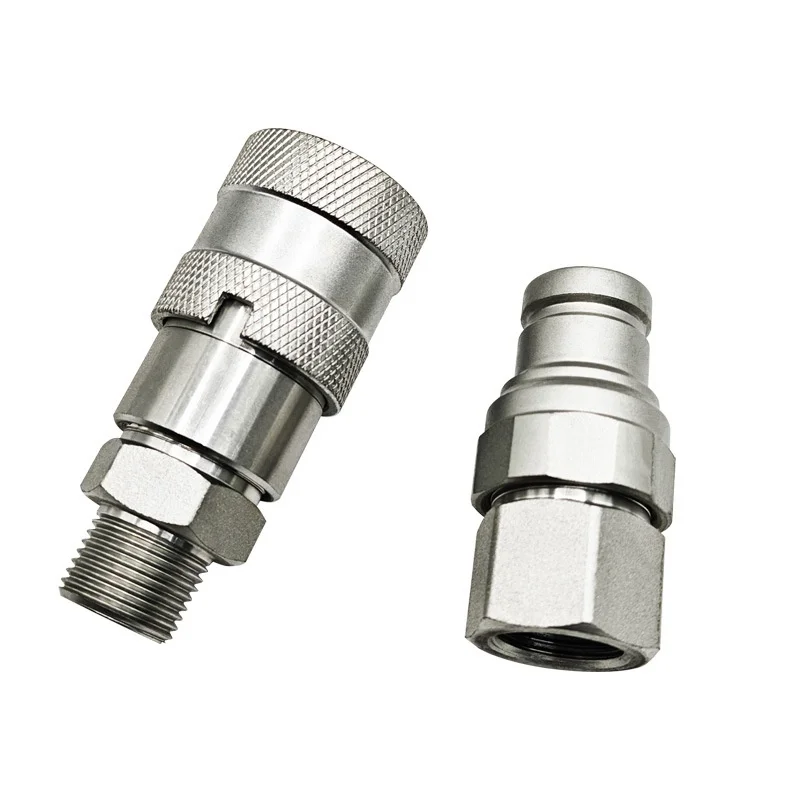
air actuated valve
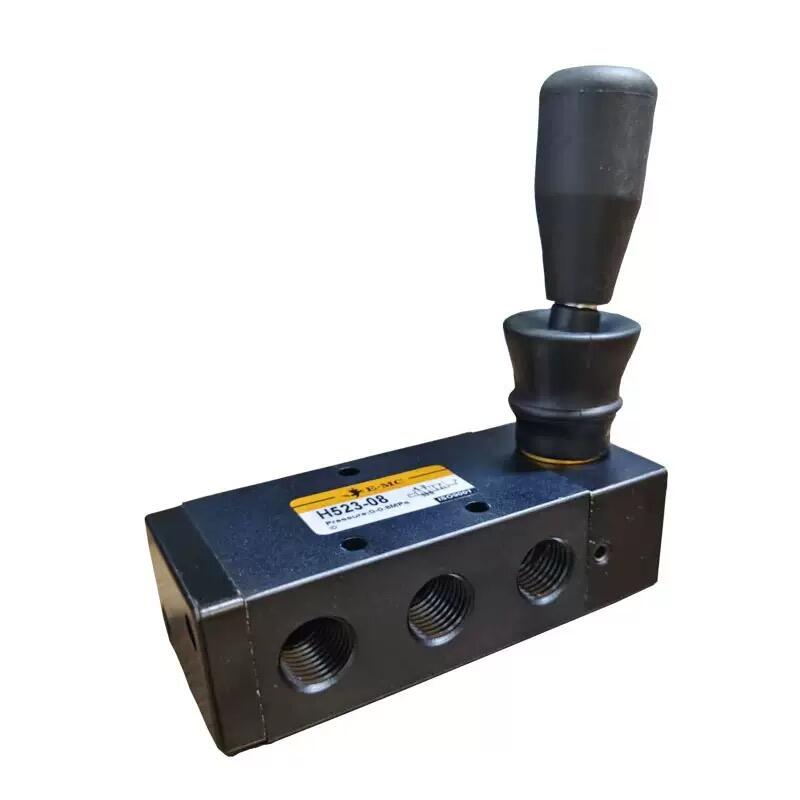
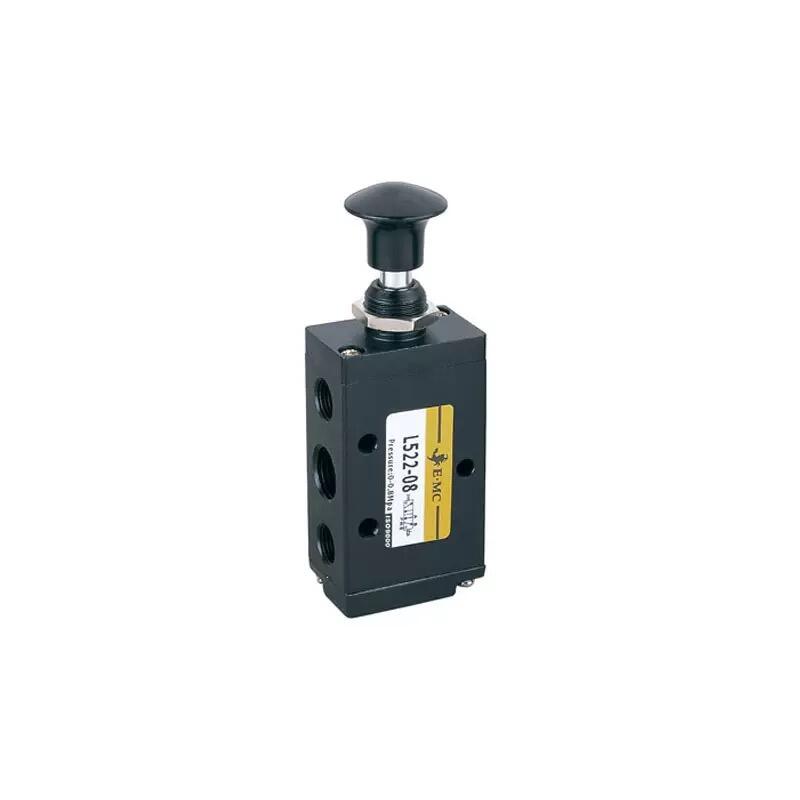
An air actuated valve is a sophisticated flow control device that uses compressed air to operate valve mechanisms automatically. This pneumatic system consists of a standard valve body combined with a pneumatic actuator that converts air pressure into mechanical motion, enabling precise control over fluid or gas flow in industrial pipelines. The air actuated valve functions through a simple yet effective principle: compressed air enters the actuator chamber, creating force that moves internal components such as pistons or diaphragms, which in turn rotate or shift the valve stem to open, close, or modulate the valve position. These valves are engineered for applications requiring remote operation, automated control, and fail-safe functionality. The technological features include adjustable pressure settings, position feedback capabilities, and compatibility with digital control systems. Air actuated valves are manufactured in various configurations including ball valves, butterfly valves, and diaphragm valves, each designed for specific operational requirements. Common applications span across water treatment facilities, chemical processing plants, oil and gas refineries, pharmaceutical manufacturing, food and beverage production, and HVAC systems. The versatility of the air actuated valve makes it indispensable in industries where manual operation is impractical, hazardous, or requires frequent adjustments. Modern designs incorporate advanced sealing technologies, corrosion-resistant materials, and modular components that facilitate maintenance and extend service life, making them a reliable choice for critical process control applications.


 EN
EN