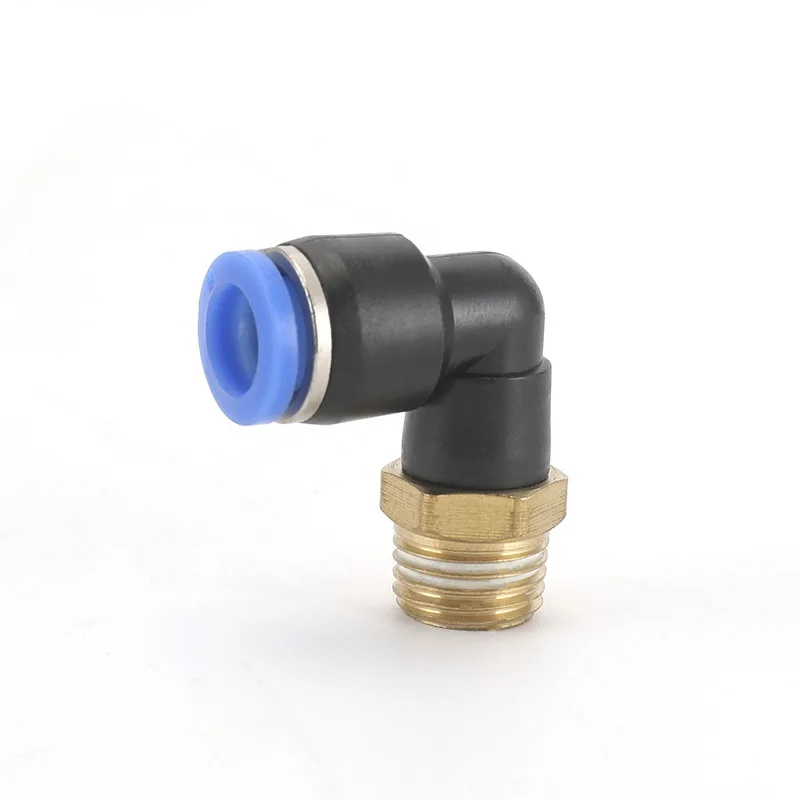
pneumatic rotating actuator
A pneumatic rotating actuator is a mechanical device that converts compressed air energy into controlled rotational motion, providing precise angular movement for various industrial applications. This actuator operates by directing pressurized air into internal chambers, which drives a piston or vane mechanism to produce rotary motion. The pneumatic rotating actuator serves as a critical component in automated systems where reliable rotational control is essential. Its main functions include opening and closing valves, positioning dampers, operating robotic arms, and controlling conveyor systems. The technology features a compact design that integrates seamlessly into existing equipment while delivering consistent torque output across its operational range. Modern pneumatic rotating actuators incorporate advanced sealing systems to prevent air leakage and ensure long-term reliability. The actuator's internal mechanism typically includes a rack-and-pinion arrangement or vane configuration, allowing for rotation angles ranging from 90 degrees to 360 degrees depending on the model. Key technological features include adjustable speed control, bidirectional rotation capability, and fail-safe positioning options. The pneumatic rotating actuator finds widespread applications across manufacturing plants, water treatment facilities, food processing operations, and pharmaceutical production lines. Industries value these actuators for their ability to function effectively in hazardous environments where electric sparks pose safety risks. The inherent explosion-proof nature of pneumatic systems makes the pneumatic rotating actuator an ideal choice for oil and gas operations, chemical processing plants, and mining facilities where flammable materials are present.


 EN
EN