rotary air valve
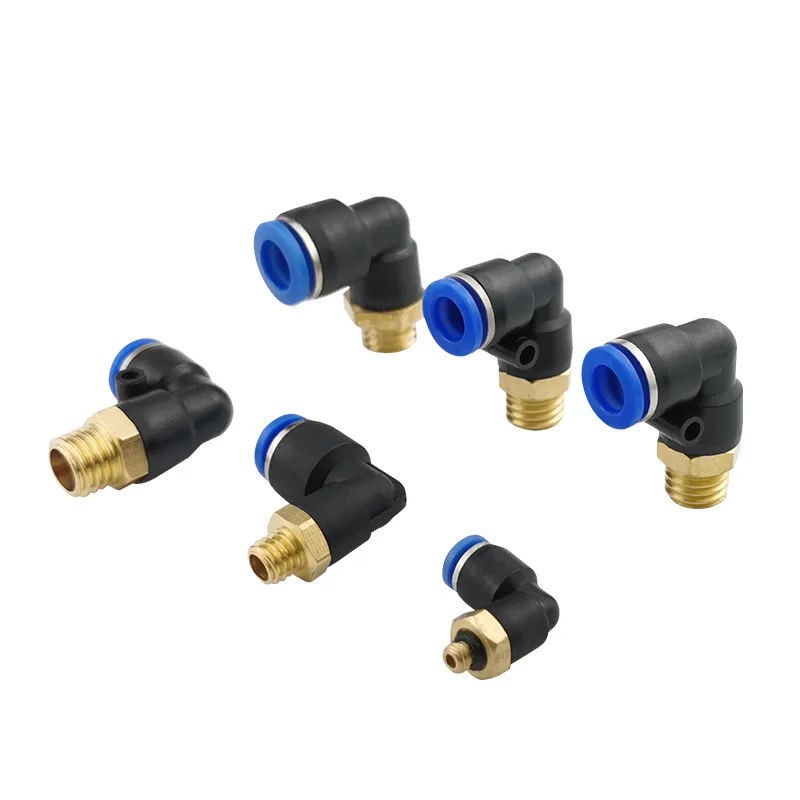
A rotary air valve is a precision-engineered mechanical device designed to control and regulate the flow of air or gas in industrial pneumatic systems. This component features a rotating element housed within a cylindrical body that opens and closes air passages through rotational movement, providing reliable flow control in demanding applications. The rotary air valve operates by using a rotor with strategically positioned ports that align with corresponding openings in the valve body, allowing or restricting airflow based on the rotor's position. Its primary functions include directing compressed air to different system components, isolating air supply lines, regulating pressure levels, and switching between multiple flow paths with minimal resistance. Technologically, the rotary air valve incorporates durable materials such as aluminum alloys, stainless steel, or engineered plastics that resist wear and corrosion while maintaining tight sealing tolerances. Advanced designs feature precision-machined surfaces, self-lubricating bearings, and optimized port geometries that minimize pressure drop and turbulence. The valve can be actuated manually, pneumatically, or electrically depending on application requirements, with some models offering automated control integration for complex processes. Common applications span manufacturing automation, material handling systems, packaging machinery, textile equipment, food processing lines, and pneumatic conveying systems. The rotary air valve proves particularly valuable in applications requiring rapid cycle times, multi-position switching, or continuous rotation, making it an essential component in modern industrial pneumatic infrastructure where reliable air distribution and precise flow management directly impact operational efficiency and product quality.


 EN
EN