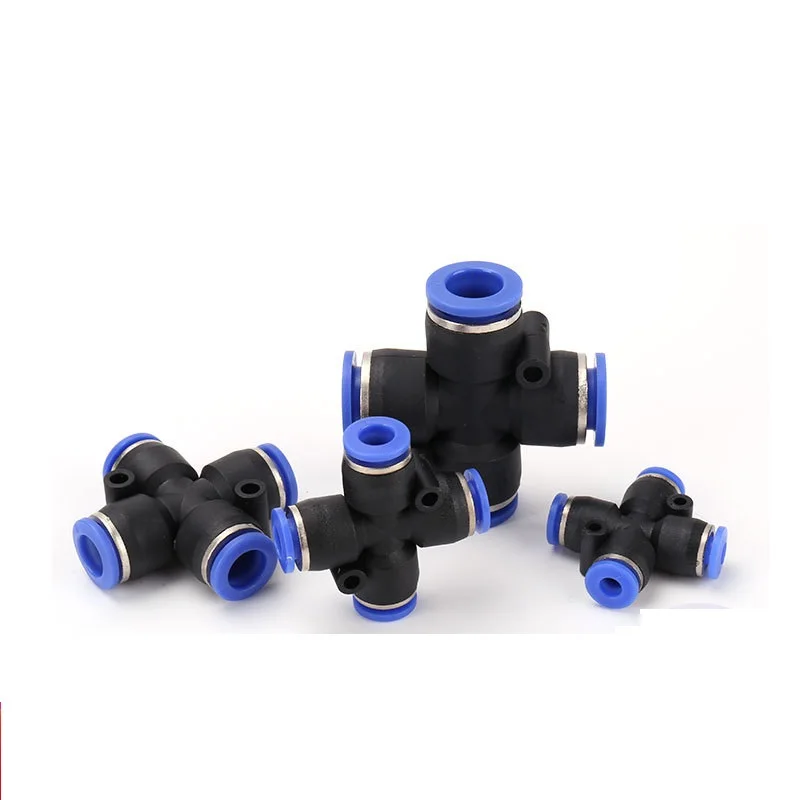
pneumatic valve types
Pneumatic valve types are essential control devices that use compressed air to regulate the flow of liquids, gases, and other materials through industrial systems. These valves operate by converting air pressure into mechanical motion, enabling precise control over process parameters. The main pneumatic valve types include ball valves, butterfly valves, diaphragm valves, globe valves, and gate valves, each designed for specific operational requirements. Their primary functions encompass opening, closing, mixing, diverting, and regulating fluid flow within automated systems. Technologically, pneumatic valve types feature actuators powered by compressed air that drive the valve mechanism, offering rapid response times and reliable performance in demanding environments. The actuator converts pneumatic energy into linear or rotary motion, depending on the valve design. Many modern pneumatic valve types incorporate position indicators, limit switches, and solenoid valves for enhanced control and feedback. These valves find extensive applications across manufacturing, chemical processing, water treatment, food and beverage production, pharmaceutical manufacturing, and oil and gas operations. Industries favor pneumatic valve types for their ability to function in hazardous environments where electrical components pose explosion risks. They excel in applications requiring frequent operation cycles, precise flow control, and dependable performance under varying pressure and temperature conditions. The versatility of pneumatic valve types makes them indispensable in automated production lines, where they integrate seamlessly with control systems to optimize operational efficiency and maintain consistent product quality throughout industrial processes.


 EN
EN