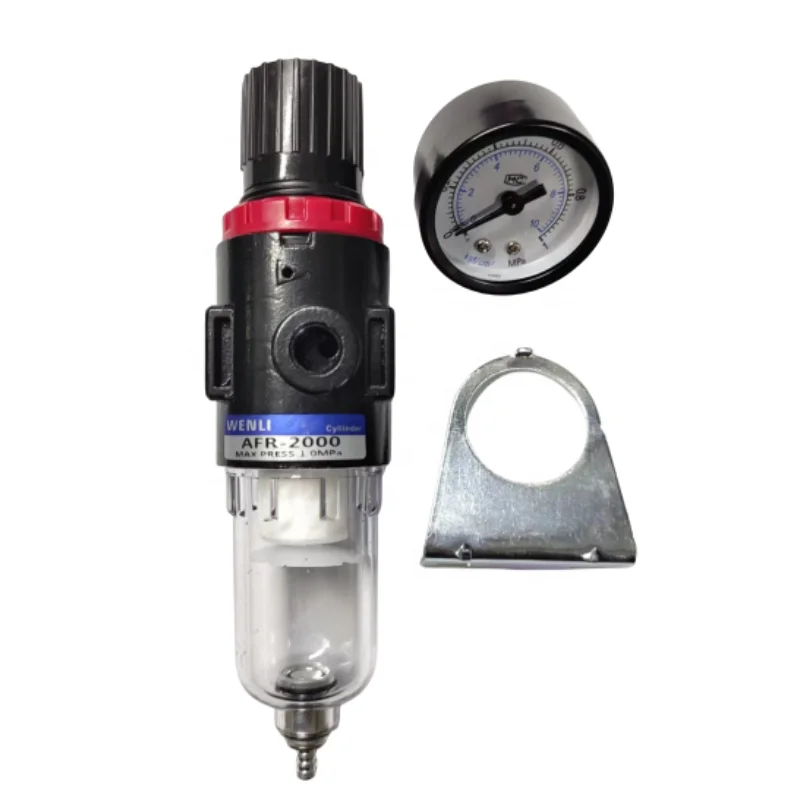
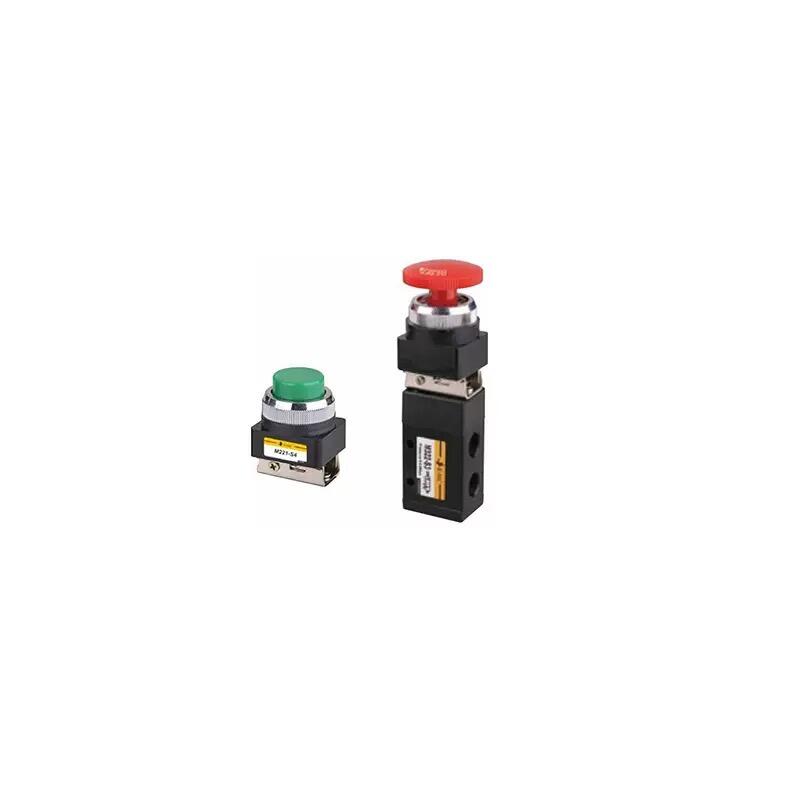
air valves types
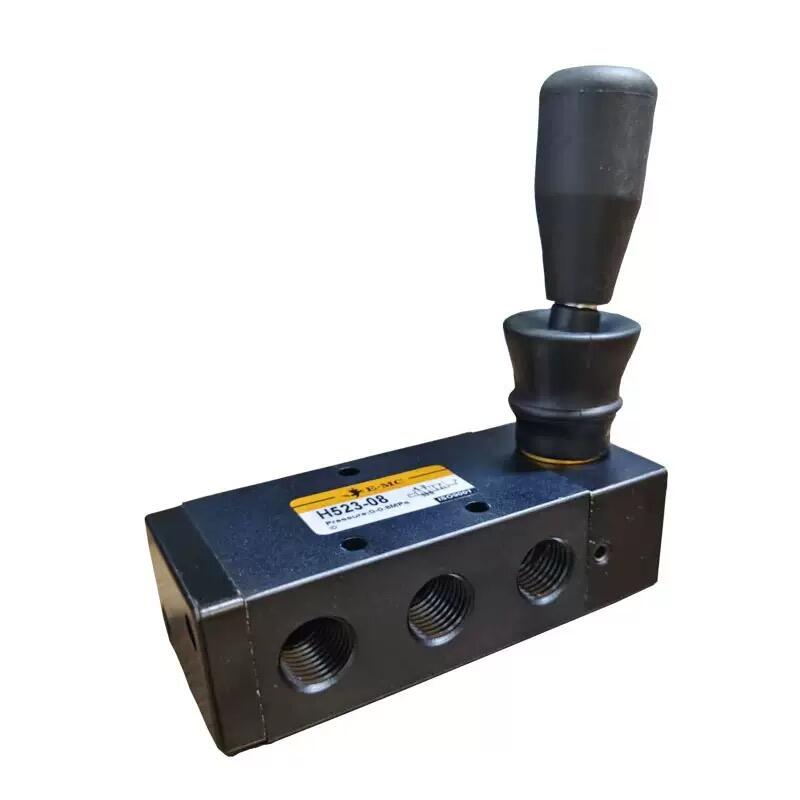
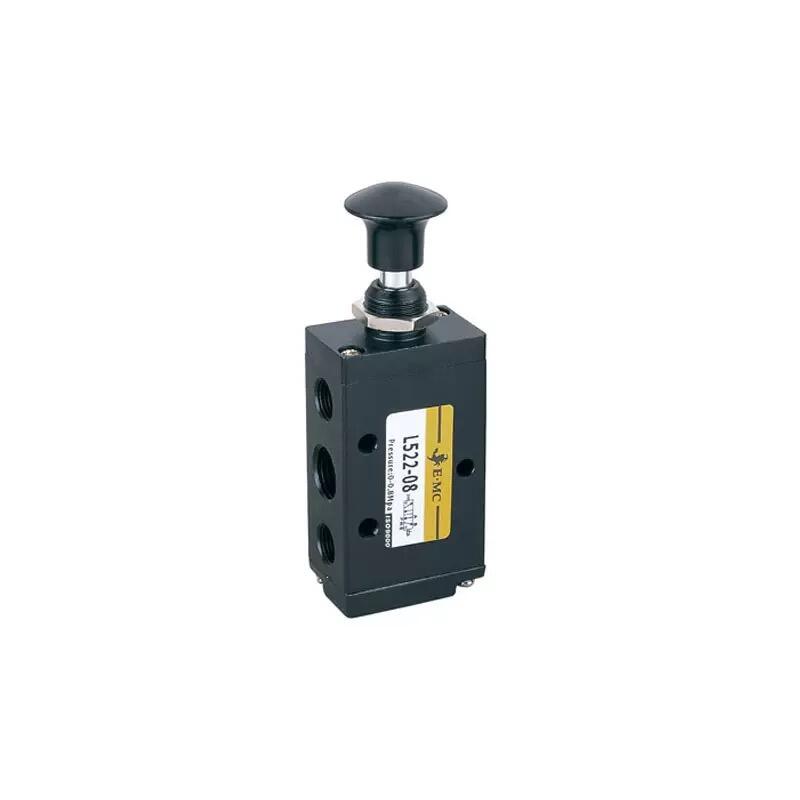
Air valves types are essential components in fluid management systems designed to regulate air flow, release trapped air, and maintain optimal pressure levels in pipelines. Understanding the various air valves types available helps industries select the right solution for their specific applications. The primary air valves types include air release valves, air and vacuum valves, and combination air valves, each serving distinct functions in pipeline systems. Air release valves continuously discharge small pockets of accumulated air during system operation, preventing efficiency losses and potential damage. Air and vacuum valves allow large volumes of air to enter or exit pipelines during filling and draining operations, protecting against vacuum conditions and water column separation. Combination air valves integrate both functions, providing comprehensive air management in a single unit. These air valves types feature advanced engineering with durable materials like stainless steel, ductile iron, and corrosion-resistant coatings to withstand harsh operating conditions. Modern air valves types incorporate float mechanisms, precision-engineered orifices, and reliable sealing systems that ensure consistent performance across varying pressure ranges. They find applications in water distribution networks, wastewater treatment facilities, irrigation systems, industrial process lines, and HVAC installations. Proper selection among air valves types depends on factors including pipeline diameter, operating pressure, fluid characteristics, and installation location. The technological sophistication of contemporary air valves types ensures they deliver reliable air management, prevent water hammer, reduce energy consumption, and extend pipeline system lifespan through effective protection against surge pressures and vacuum conditions.


 EN
EN